
Counseling for children in Lancaster, PA
ARt Therapy
Art Therapy is an effective and supportive therapeutic process that uses creativity and self-expression to encourage healing, growth, and emotional well-being. Through integrative methods and creative expression, children, teens, and adults can explore their emotions, better understand their experiences, and develop tools for navigating life’s challenges, all within a safe and supportive environment.
What Is Art Therapy?
Creative expression can give a voice to what’s difficult to put into words.
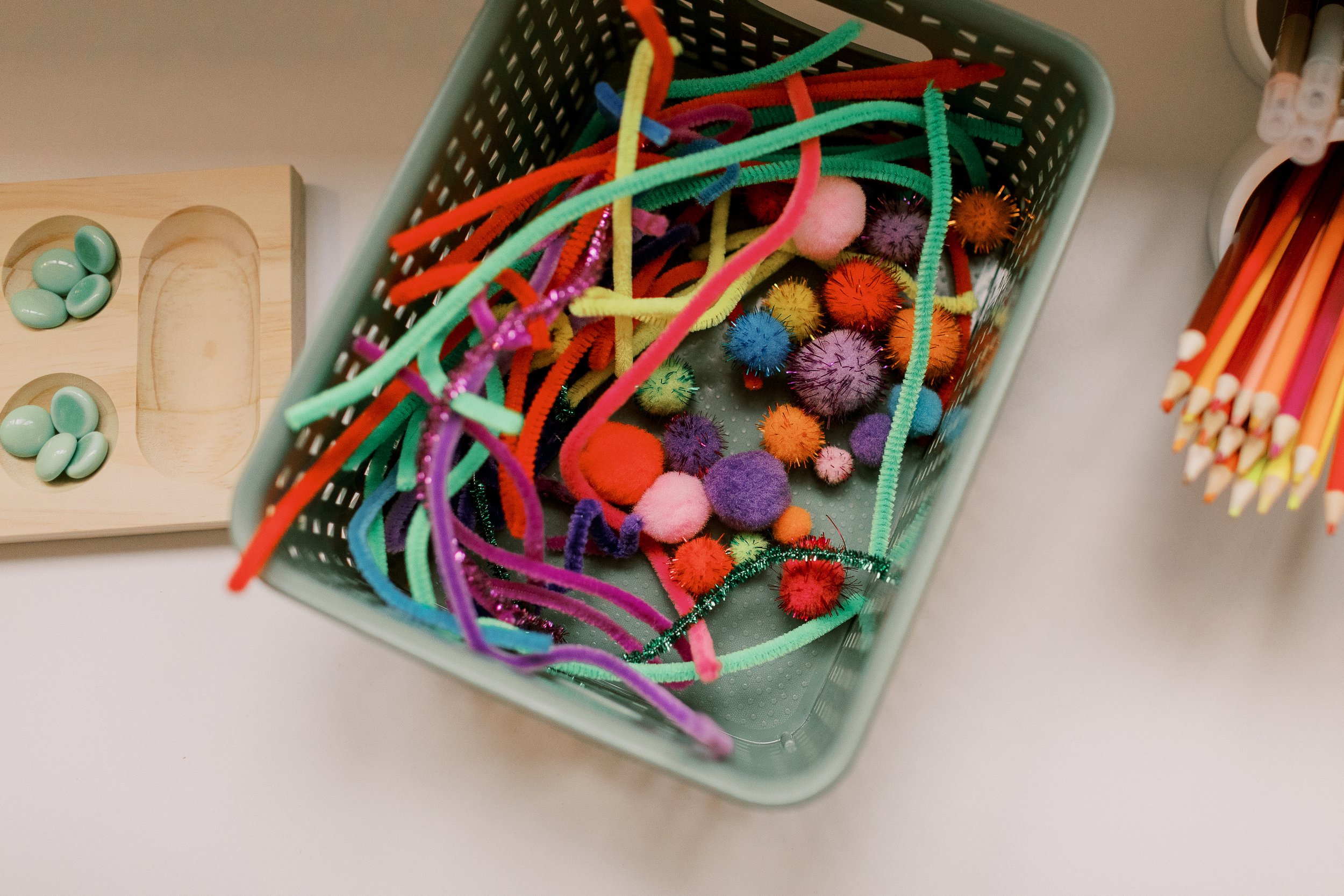
Art Therapy combines the therapeutic process with creative expression to support mental and emotional well-being. Depending on the individual, sessions may incorporate drawing, painting, sculpture, collage, or other artistic mediums as a way to explore thoughts, feelings, and experiences.
The goal isn’t to create something beautiful or even to consider yourself creative. Instead, art provides another way to communicate and process what may be difficult to express through words alone.
Art Therapy can help people of all ages develop greater self-awareness, build self-esteem, strengthen social skills, cope with stress, and explore challenging emotions and experiences.
How can Art Therapy help?
Because every person comes to therapy with different experiences and needs, Art Therapy can be used to support a wide range of emotional and mental health concerns. For children and teens especially, creative expression can offer an alternative way to communicate when finding the right words feels difficult.
Art Therapy may be helpful for those navigating:
Anxiety or depression
Trauma
Grief and loss
Major life changes or transitions
Difficulty identifying or expressing emotions
Social or relationship changes
Chronic illness
Low self-esteem
What does Art Therapy look like?
There is no single way an Art Therapy session has to look.
Depending on your age, needs, comfort level, and therapeutic goals, your therapist may incorporate drawing, painting, collage, sculpture, or other forms of creative expression into your sessions.
The art-making process provides an opportunity to explore emotions and experiences at your own pace, while your therapist helps you make connections, build greater self-awareness, and develop tools that support your mental and emotional well-being.
And because the focus is on expression rather than artistic skill, there’s no pressure to create something “right.”
As the American Art Therapy Association explains, Art Therapy intentionally combines art-making with the therapeutic process to support psychological and emotional needs. It has been used to support individuals experiencing trauma, grief and loss, depression, anxiety, chronic illness, major life changes, and other challenges. Most importantly, you don’t need artistic experience to participate. Art-making takes place from within, and the value is found in the process of expression, not in how the finished piece looks.
— Adapted from Gretchen Miller, MA, ATR-BC, ACTP

Frequently Asked Questions About Art Therapy
-
All three. Younger children often take to art naturally, and many teens find it easier to draw or build something than to sit and talk. Adults can benefit too, especially when it's hard to put feelings into words.
-
Yes, and it often is. Depending on you or your child's needs, your therapist may weave art into play therapy, EMDR, or talk therapy. This flexibility lets us meet kids and teens where they are and adjust as their needs change. (can we link to the play therapy, emdr, individual when these are mentioned here?)
Wondering if ART Therapy is right for you or your child?
You don’t need to know exactly what kind of support you need before reaching out. We can talk through what you or your child are experiencing, answer your questions about Art Therapy, and help determine whether it may be an appropriate fit.